
Turning a small bike shop in Glasgow into one of the main players in the pre-loved bike market.
Context
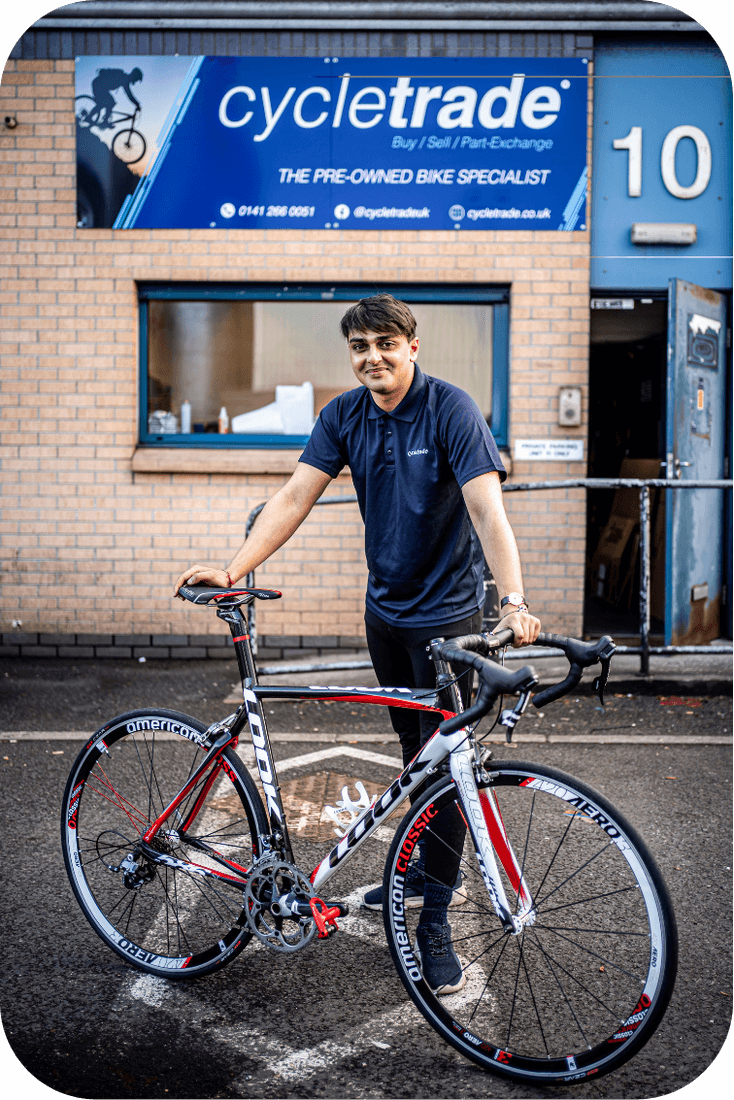
When I first stumbled across Pro Bike Trader, they were just a small independent in an industrial unit in Glasgow. Nothing glamourous. The owner was a young and ambitious graduate who was buying and selling second hand bikes from Facebook marketplace. He had hired two mechanics to fix up the bikes that he bought and offered services to the local community.
When lockdown hit in 2020, they saw an unprecedented boom in demand. They made more money than they had before and wanted to future proof themselves for when this flurry had passed. That's where I came in.
Client Brief:
“Drag me into the 21st century, please!”
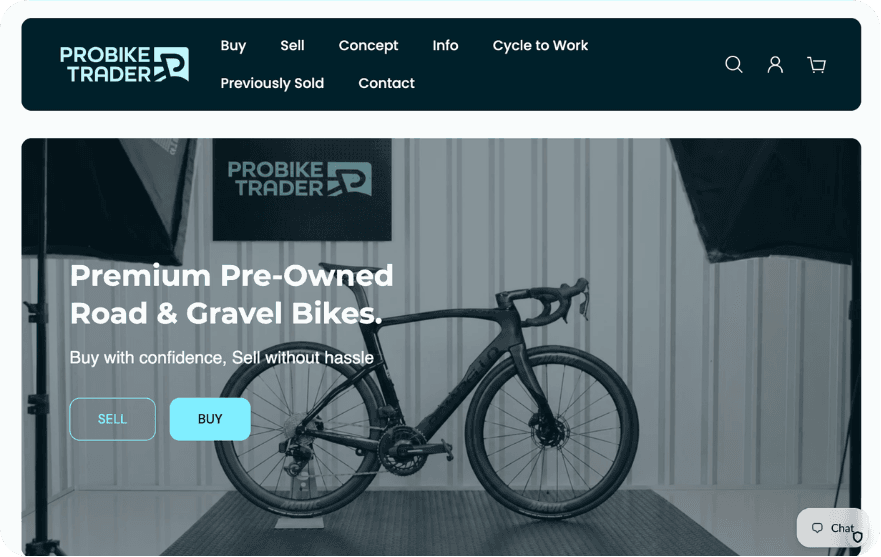
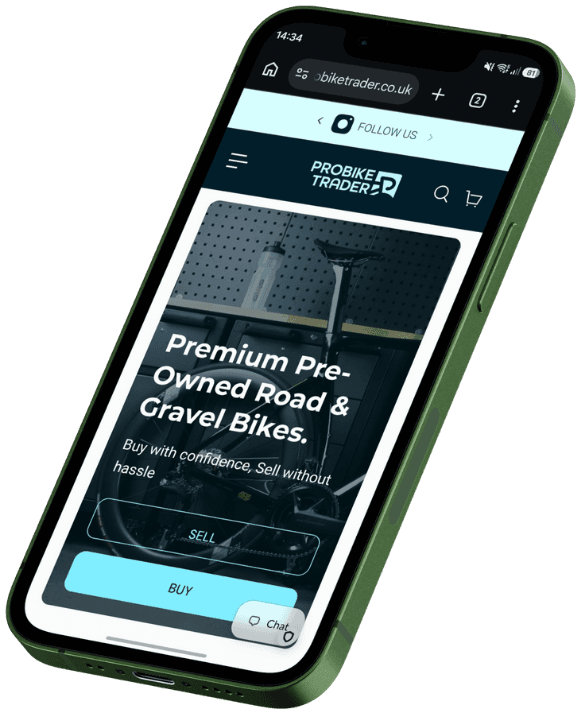
I built them a premium Shopify theme, tailored to their specific business needs. They don't just sell one product, or a set of products with stock counts and SKU codes. They buy and sell, so the product range is constantly changing. So we needed a quicker way than just manually uploading every single product. So I built templates for each product category, and the major brands and product sets. We specialised in bike parts for a long-time, so groupsets would have 105s, Ultegra, DXs, and so on. Then they would just need a fresh image and a grading, based on the grading criteria we had established.
The quicker we could get product online, the quicker we could sell it.
Getting Discovered
A new website comes with discoverability challenges, i.e, nobody can find you. We were also operating in a market that hadn't fully been established yet. If you wanted a second hand bike at the time, or bike parts, you went to marketplaces like Facebook or Ebay. We didn't want to be selling on Facebook, as these were the time-wasters and scammers that PBT wanted to distance themselves from.
Ebay, however, was where all bike builders and hobbyist mechanics were flocking to for cheaper parts. This sparked my idea to integrate our Shopify feed directly into Ebay so that we could sell in both places, simultaneously. Sales skyrocketed. We were experiencing demand like we had never seen before, and had to stop selling bikes for a while just to keep up. Every bike we bought was stripped down for the parts.
“The sum of the parts are often worth more than the whole”
Was definitely true here. We could shift the inventory quicker and at a higher margin by selling the parts on Ebay. That was the beauty of the integration. It updated stock on both Shopify and Ebay simultaneously so that we never double sold an item, and every customer received a printed out welcome pack to Cycletrade (the name at the time). This welcomed them into the Facebook community that I had setup and managed, and directed them to our site so that we could avoid Ebay fees going forward.
Finding the Sellers
Selling bikes is only half of the game. We needed to find motivated sellers with high quality bikes as well. This was akin to lead generation marketing. I built multiple iterations of the Seller Form over the years, trying to get as much information as possible without putting sellers off. Nothing worse than a long tedious form. They still use my most recent iteration today, a full TypeForm system that integrates with their CRM and automates the initial comms. The founder would review all and reach out to them and negotiate a price.
The marketing for this side of the business was largely done through paid & organic social, and a single exact match Google campaign. Both ran efficiently on low budgets, and often having too many form fills would cause more issues than too few as the founder struggled to keep up with demand. More bikes we had, the more we could sell.
Rebranding & Relaunching
The business decided to relocate to London where the founder was originally from. Not long after, the quality of the bikes that were coming in had significantly improved and we decided to adapt the branding to the more premium market. It was at this point that Cycletrade became ProBike Trader. This coincided with the Shopify 2.0 themes, and my focus was making the most out of the new dynamic content abilities and custom fields. These new features are pretty commonplace now but completely changed the game for how this website operated.
Google Shopping
The market at this point was more mature, and we were finding that the search demand for premium second hand bikes and parts had started to pick up, so we started running Google Ads. The improved product labelling and metafields came in handy for our shopping feeds, and our competitive pricing allowed us to be aggressive against the new alternatives. The target was 4x ROAS on £5k spend, and I routinely achieved an 8x ROAS - but the main challenges remained the limited number of stock of each item. The feed needed constant updating and tweaking to accommodate what was and wasn't available on any given day. This wouldn't be a problem today with numerous tools released since, but caused me a right headache back then.
Working Relationship
The founder and I still have a great relationship and won't hesitate to get in touch if either of us need anything or want to bounce ideas around. Most recently I rebuilt his email automation flows onto Klaviyo after many years on Omnisend which I had built their email marketing on originally. A working relationship that has stretched over 6 years, with 4 years of consistent building and collaborating, and friendly AdHoc work in recent years.
Let's talk
Want results like this for your brand? Tell me about it — I'll reply honestly, not with a sales script.